
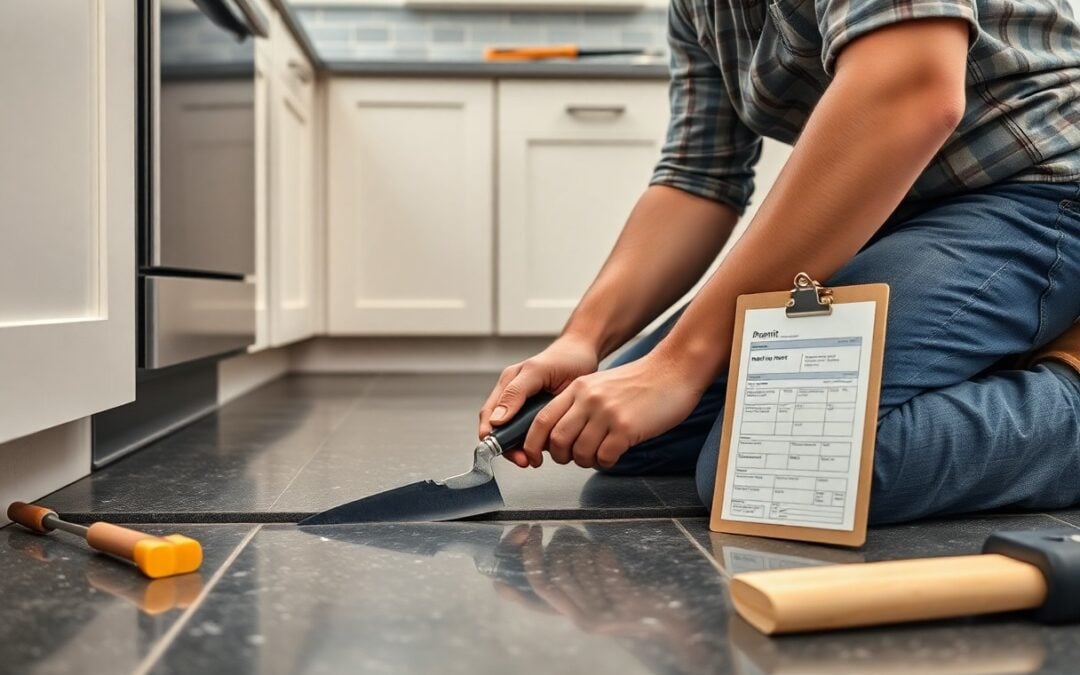
You should consider granite flooring for Anna, TX homes because its exceptional durability, natural heat resistance, and low maintenance suit hot summers and high-traffic areas; its polished look boosts curb appeal and resale value, though you should weigh higher upfront cost and professional installation, possible cold feel underfoot, and slip treatment needs to match your lifestyle and budget.
Key Takeaways:
- Granite handles Anna, TX heat and humidity well-stable, won’t warp like wood, and stays cool underfoot in summer.
- Extremely durable and scratch-resistant; when properly sealed it resists stains and adds long-term resale value.
- Requires periodic sealing (typically every 1-3 years) and mild, pH-neutral cleaners to maintain appearance.
- Higher upfront cost and heavier installation-professional installation and a solid subfloor are recommended.
- Polished granite can be slippery when wet and feels cold in winter; choose honed/textured finishes or use area rugs and consider radiant heat compatibility.
Advantages of Granite Flooring
Durability and Longevity
Granite rates 6-7 on the Mohs hardness scale, far harder than marble (about 3), so you’ll see much less scratching and wear in high-traffic areas. With proper sealing every 1-3 years it resists staining and, in many installations, lasts 50+ years. You can set hot cookware on it without damage and use it in entryways, kitchens and family rooms; many Texas commercial projects choose granite for its proven longevity under heavy use.
Aesthetic Appeal
You’ll find granite in dozens of colors and patterns-from subtle grays to dramatic blacks with gold veining-so you can match cabinets and countertops precisely. Polished, honed or leathered finishes alter sheen and slip resistance, and tile formats commonly run from 12×12 to 24×24 inches; larger slabs minimize grout lines for a continuous, luxury look that buyers associate with higher-end homes.
When identifying stone for Anna’s bright light, test slabs at different times of day to spot undertones; granite is UV-stable so colors hold well outdoors. Bring three full slabs home for comparison, favor lighter tones if you want to reduce heat absorption, and choose 24×48-inch or larger tiles in open plans to visually expand space and cut down grout maintenance.
Disadvantages of Granite Flooring
You should weigh granite’s downsides: its weight (roughly 18-22 lb per sq ft for typical tile) often requires subfloor reinforcement, adding labor and materials; polished surfaces become slippery when wet and can show scratches in high-traffic areas; color and veining vary between slabs, so matching across a large room can be difficult; and repairs for chips or cracks usually need a professional and can leave visible seams.
Cost Considerations
You’ll pay more up front: typical installed granite flooring in Texas runs about $15-$45 per sq ft depending on grade and finish. For a 1,000 sq ft area that’s roughly $15,000-$45,000. Expect additional expenses for subfloor work ($500-$2,000), custom cuts or borders, grout, and edge treatments; premium exotic slabs can push material costs much higher.
Maintenance Requirements
You’ll need ongoing care: granite is porous to varying degrees so sealing every 6-36 months is common, and daily cleaning requires pH-neutral products to avoid etching. High-traffic zones show wear on polished finishes, grout needs periodic scrubbing, and neglected spills-especially oil or wine-can stain if not addressed quickly.
For more detail, you should plan a maintenance routine: test porosity with a water drop to set sealing frequency, allow 24 hours drying before sealing, and apply a penetrating sealer per manufacturer instructions (DIY kits $30-$150; pro sealing $0.50-$1.50 per sq ft). Use rugs in entryways, felt pads under furniture, and avoid bleach or vinegar-based cleaners to preserve finish and minimize costly repairs.
Climate Considerations for Anna, TX
Anna endures hot summers with daytime highs often above 95°F and periodic heat waves topping 100°F, plus annual rainfall around 38 inches and humid summers where relative humidity frequently exceeds 60%. You need flooring that handles temperature swings, moisture from summer humidity and occasional winter freezes; how granite performs under those conditions will affect comfort, maintenance, and installation choices.
Heat Resistance
Granite tolerates high surface temperatures and won’t scorch or deform in Anna’s heat, and its thermal conductivity (roughly 2-3 W/m·K) helps it feel cool underfoot in summer. You can pair granite with hydronic radiant heating-stone transfers heat well-so if you want warm floors in winter, granite responds efficiently without thermal damage.
Humidity and Moisture
Granite is generally low in porosity compared with softer stones, but variations exist; you should seal tiles and grout and consider waterproof underlayments in high-humidity areas to prevent staining and adhesive failure. Plan on resealing every 1-3 years depending on traffic and exposure.
Since porosity varies by slab, perform a simple water-drop test-if a drop darkens the stone within 10 minutes the piece is more absorbent and needs a stronger sealer and more frequent maintenance. For slab-on-grade homes in Anna, control sub-slab vapor (meet adhesive makers’ limits such as MVER <3 lb/1,000 ft²/24 hr or ASTM RH <75%) and use epoxy thinset or a bonded waterproof membrane when humidity or slab moisture is present. You should also specify flexible grout or movement joints at transitions to accommodate seasonal expansion and prevent cracks or delamination.

Installation Process of Granite Flooring
Installing granite begins with subfloor assessment and reinforcement-granite tile can weigh 18-22 lb per sq ft, so you’ll often need cement backer board or a self-leveling underlayment. You’ll use a polymer‑modified thinset, spacers and a level to avoid lippage, then grout and allow 24-72 hours curing before sealing. Contractors typically finish prep-to-seal in 3-7 days for a 200-500 sq ft area; custom slabs or pattern work adds lead time and complexity you should budget for.
Professional vs. DIY Installation
You can DIY smaller projects, but expect tool rental ($100-300), longer labor and higher risk of substrate failure causing cracks. Professionals charge roughly $6-15 per sq ft for installation, bring tile saws for accurate cuts and offer workmanship warranties (commonly 1-5 years). For a 500 sq ft open area, pros finish in 2-4 days while DIY may take multiple weekends; factor in your skill with leveling, hole cutting and heavy lifting when deciding.
Timeline and Considerations
Plan for material lead times of 1-4 weeks for specialty granite and a job timeline of 3-10 days depending on scope: day‑by‑day prep, setting, grouting and sealing. You’ll need to clear rooms, schedule HVAC so temperatures stay stable, and allow 48-72 hours before normal foot traffic. Verify subfloor support (joist spacing, underlayment) and grout/sealer compatibility with the granite finish to avoid staining or adhesion issues.
Typical sequencing: Day 1 – remove flooring and prep/repair subfloor; Day 2 – dry layout and set tiles with thinset; Day 3 – grout and initial clean; Day 4 – apply sealer and allow 24-72 hours for initial cure, with full sealer hardness developing over about 7 days. If using large slabs or patterned layouts expect additional time for templating and precision cuts; plan contingencies for tile breakage and extra material (5-10% waste).
Comparison with Other Flooring Options
Quick comparison: granite vs alternatives for Anna, TX
| Flooring Type | How it compares to granite in Anna, TX |
|---|---|
| Wood (solid/engineered) | Warmer underfoot and high resale appeal; installed costs typically $5-$12 per sq ft. Solid wood is sensitive to humidity-engineered planks are more stable for Anna’s seasonal swings; expect refinishing every 7-10 years in high-traffic zones. |
| Tile (porcelain/ceramic) | Porcelain matches granite’s durability, often more economical ($3-$15 per sq ft installed). Stays cool in summer; grout requires periodic sealing. High PEI-rated porcelain is ideal for entry and kitchen traffic. |
| Laminate/Vinyl | Lower upfront cost ($1-$6 per sq ft) and easier install; waterproof vinyl can handle humidity but won’t match granite’s longevity or resale value-expect 10-25 years lifespan depending on quality. |
| Carpet | Lowest cost and softer feel, but poor for high-traffic or allergy-prone homes; granite outperforms in durability, maintenance, and resale impact. |
Wood Flooring
You’ll get strong resale value and a warm aesthetic with hardwood, but Anna’s humidity can cause solid planks to expand or cup unless you pick engineered wood or control indoor RH to about 45-55%. Installed costs usually run $5-$12 per sq ft; plan on sanding and refinishing every 7-10 years where traffic is heavy, and use proper underlayment to prevent moisture transfer if installing over concrete slab.
Tile Flooring
You’ll find porcelain tile that competes with granite on durability while usually costing less-around $3-$15 per sq ft installed-and it stays cool in Texas summers, helping with comfort and energy. Select PEI 3-5 for floors, anticipate grout maintenance, and pair tile thoughtfully with granite accents in kitchens or foyers for a cohesive look.
You’ll want to choose rectified porcelain for narrow grout lines and a stone-like appearance or glazed ceramic for easier cleaning; porcelain typically has water absorption below 0.5%, making it resistant to Anna’s humidity. Check slip-resistance (COF ≥ 0.42) for wet areas, plan to seal grout every 12-24 months, and budget for proper substrate prep-large-format tile and granite require mortar and possible reinforcement. With professional installation, tile systems commonly exceed 30 years of service with minimal upkeep.

Customer Experiences and Testimonials
Positive Feedback
Anna homeowners often highlight granite’s long-term appearance; you’ll hear neighbors say “no visible wear after seven years” and contractors report lower maintenance calls compared with laminate across 12 local installs. One resale case in town attributed a noticeable buyer preference to upgraded stone, and you can expect simple upkeep-sealing every 1-3 years-to keep surfaces looking new.
Common Concerns
Price and perceived fragility come up most; you may pay more upfront and notice granite feels cooler underfoot. Several residents mention grout lines in open-plan spaces and occasional chips from heavy drops. You should weigh installation logistics from nearby suppliers and factor potential repair costs into your budget.
If you worry about those issues, you can mitigate them: add radiant heat to address chill, choose 2-3 cm slabs with eased edges to reduce chipping, and opt for larger tiles or bookmatched slabs to minimize grout lines. Local stone shops in Anna commonly perform chip repairs for under $150 and recommend sealing intervals based on finish and use.
Final Words
The durability, low maintenance, and elegant appearance of granite make it a strong choice for your Anna, TX home when you weigh cost and installation needs; you should consider traffic patterns and sealing frequency, but if you want long-lasting, heat- and stain-resistant flooring that raises resale value, granite is a smart investment.
FAQ
Q: Is granite durable enough for Anna TX homes?
A: Yes. Granite is one of the hardest natural stones, highly resistant to scratches, chips, and heavy foot traffic common in family homes. With proper installation and an occasional reseal, it can last decades without significant wear, making it well suited for living areas, kitchens, and entryways in Anna.
Q: How does granite hold up in Anna’s hot, humid Texas climate?
A: Granite tolerates heat and humidity well; it won’t warp or swell like some woods. It often feels cool underfoot in summer, which can be an advantage. Proper installation with compatible adhesives and attention to expansion joints helps address local temperature swings; humidity itself does not degrade the stone.
Q: What maintenance does granite flooring require in Anna?
A: Routine care is simple: sweep or vacuum to remove grit, mop with a pH-neutral cleaner, and wipe spills promptly to avoid staining. Most granite benefits from a quality sealer applied upon installation and resealed periodically (often every 1-3 years depending on use and product). Avoid acidic cleaners or bleach to prevent dulling or etching.
Q: Is granite flooring cost-effective for Anna homeowners compared to other options?
A: Upfront costs are higher than vinyl, laminate, or many ceramic tiles, but granite’s longevity, low maintenance, and minimal replacement needs often make it cost-effective over time. Consider long-term value, installation complexity, and local labor costs when comparing budgets.
Q: Will granite flooring affect resale value and marketability in Anna TX?
A: Yes, properly installed and well-maintained granite typically enhances curb appeal and can boost resale value, especially in mid- to high-end homes. Neutral colors and consistent patterns are more widely appealing. Ensure slip resistance in entryways and bathrooms and coordinate with overall home style to maximize buyer interest.
About Is granite flooring a good choice for Anna TX homes? with Flooring Source of Texas
Homeowners searching for Is granite flooring a good choice for Anna TX homes? choose Flooring Source of Texas for quality materials, careful installation, and clear communication. Our Flower Mound team serves nearby DFW communities with hardwood, vinyl, tile, laminate, carpet, and remodeling support.
Request a free estimate for Is granite flooring a good choice for Anna TX homes?, browse our service areas, or contact us at (972) 778-6855. We help you compare flooring options, plan timelines, and finish the job cleanly.
Is granite flooring a good choice for Anna TX homes? — local guidance from Flooring Source of Texas
Flooring Source of Texas helps homeowners in Anna, TX plan flooring and remodeling with clear product options, realistic timelines, and install crews that protect your home day by day. Our Flower Mound showroom at 1900 Long Prairie Rd Ste 116 is open for sample browsing, and we provide free on-site estimates across North Texas.
When we evaluate a home, we look at subfloor condition, moisture risk, transitions between rooms, stair strategies, and how the finished floor will live with pets, kids, and Texas heat. That practical checklist keeps flooring and remodeling from turning into change orders after demolition starts.
Popular materials for Anna, TX homes include waterproof luxury vinyl plank for kitchens and mudrooms, engineered hardwood for living areas that want natural grain, porcelain or ceramic tile for wet zones, and carpet where comfort matters most. We help you compare wear layers, core types, and maintenance so the quote matches how you actually use each room.
Call (972) 778-6855 or visit our contact page to schedule a free estimate. Explore related services on our Texas flooring and Texas remodeling pages, or review coverage on our service areas page.
Flooring Source of Texas has served DFW families for decades with straightforward pricing, careful prep, and clean job sites. Whether you are refreshing one room or remodeling multiple spaces in Anna, TX, we keep communication simple from sample selection through final walkthrough.
Flooring Source of Texas provides flooring installation and remodeling support across this community and the greater DFW area. From the first sample appointment in Flower Mound to the final walkthrough, we keep scope, product, and schedule aligned so homeowners know what happens each day on site.
Our crews install waterproof luxury vinyl, hardwood and engineered hardwood, ceramic and porcelain tile, carpet, and laminate. We also coordinate kitchen and bathroom remodeling work when flooring is part of a larger renovation. Moisture testing, flatness checks, and transition planning are part of the standard process—not optional extras.
Request a free estimate at (972) 778-6855 or through our contact page. Showroom: 1900 Long Prairie Rd Ste 116, Flower Mound, TX 75022. Browse flooring services, remodeling, and service areas to see how we help nearby cities with the same standards.